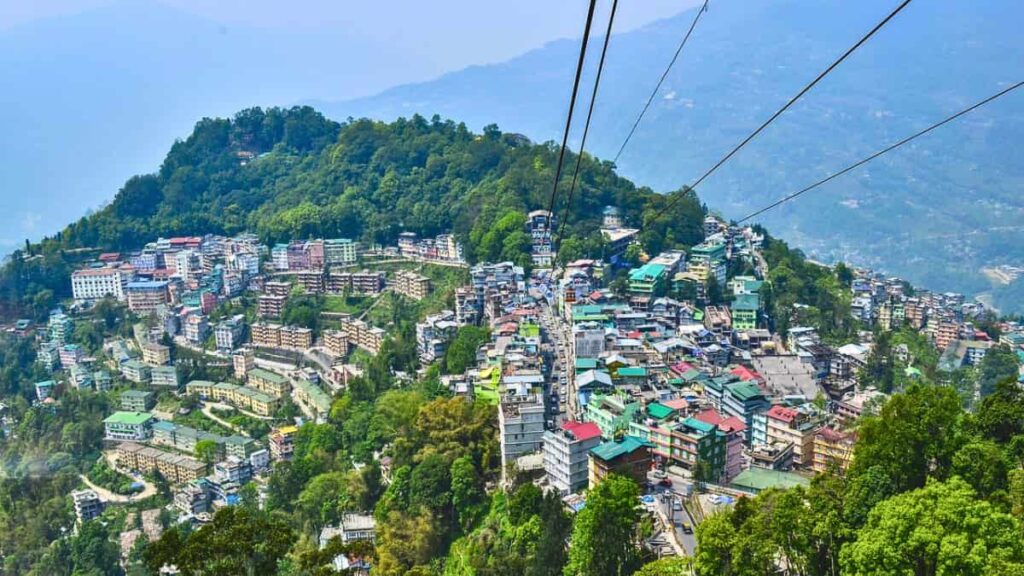
I still remember the first time I stepped into Gangtok. The crisp mountain air, prayer flags fluttering everywhere, and the sight of Kanchenjunga peeking through the clouds – it felt like stepping into a different world altogether. I had visited many hill stations before, but Gangtok? It had a unique charm that I hadn’t experienced anywhere else.
After spending a week exploring every corner of this beautiful capital city of Sikkim, I realized that Gangtok isn’t just another tourist destination on the map. It’s a perfect blend of spirituality, natural beauty, and modern urban culture. Whether you’re a adventure seeker, a food lover, or someone looking for peace in the mountains, Gangtok has something special waiting for you.
In this guide, I’m sharing my personal experiences and all the amazing things I did in Gangtok. Trust me, by the end of this article, you’ll be booking your tickets to this Himalayan paradise!
Here are the 25 best things to do in Gangtok in 2026, explained in depth.
1. MG Marg – The Living Heart of Gangtok
📍 Location: Central Gangtok
⏳ Ideal Time Needed: 2–3 hours (evening best)
💰 Cost: Free
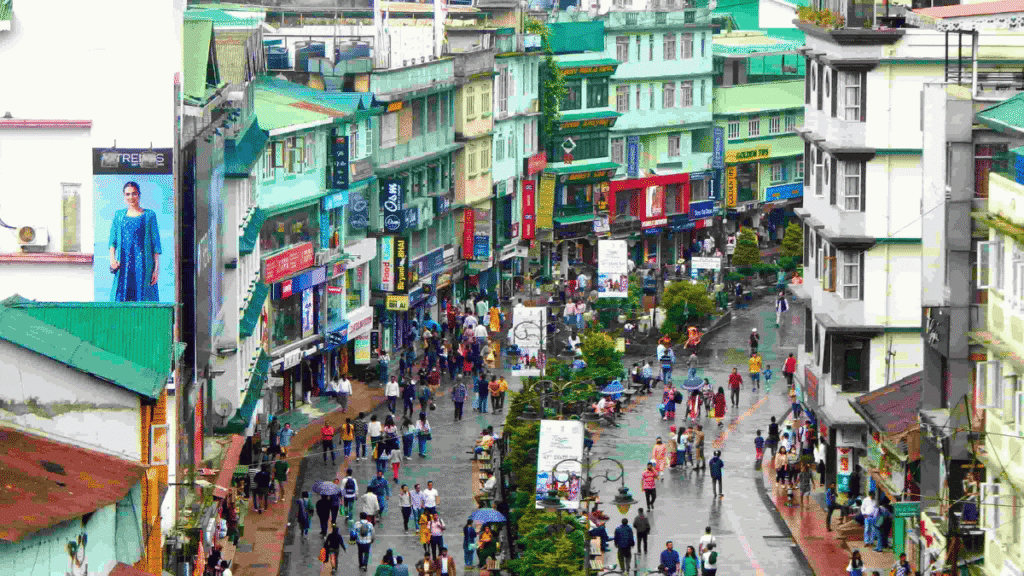
MG Marg is not just a marketplace — it is the cultural and social backbone of Gangtok. Unlike most Indian hill stations where traffic, noise, and chaos dominate the town center, MG Marg feels surprisingly organized, clean, and calm.
The moment you step onto MG Marg, you will notice the difference. The road is completely pedestrian-only. No cars. No bikes. No honking. Just neatly tiled pathways, decorated street lamps, flower pots, benches, and smiling locals walking peacefully.
In the evening, the street transforms. Around 5 PM, as the sun begins to set behind the hills, the lights turn on, cafes start filling up, and travelers begin strolling slowly. You’ll see families enjoying ice cream, couples taking photos under decorative arches, and street musicians occasionally performing during peak season.
What You Should Actually Do Here
Instead of just walking, turn MG Marg into an experience:
- Start from one end and walk slowly to the other.
- Stop at a local tea shop and try Sikkim organic tea.
- Visit Bakery Cafe for a window seat and watch the street life below.
- Explore handicraft stores selling prayer wheels, thangka paintings, and local woolens.
- Visit Lal Bazaar (down the stairs) for a more authentic local market experience.
Food Experience Here
MG Marg is also where you can try:
- Fresh momos
- Thukpa (Tibetan noodle soup)
- Local Sikkimese thali
- Sel roti (traditional sweet bread)
Average meal cost: ₹300–₹500 per person.
Best Time to Visit
- Evening: Best atmosphere
- Morning: Calm and quiet, fewer crowds
Who Will Love MG Marg?
✔ Families
✔ Couples
✔ Solo travelers
✔ Cafe lovers
✔ Street photography enthusiasts
2. Tsomgo Lake gangtok sikkim– The Changing Face of the Himalayas
📍 Distance: 40 km from Gangtok
⏳ Total Time Required: 5–6 hours round trip
📄 Permit: Mandatory
💰 Taxi Cost: ₹1,500–₹2,500 per person (shared)
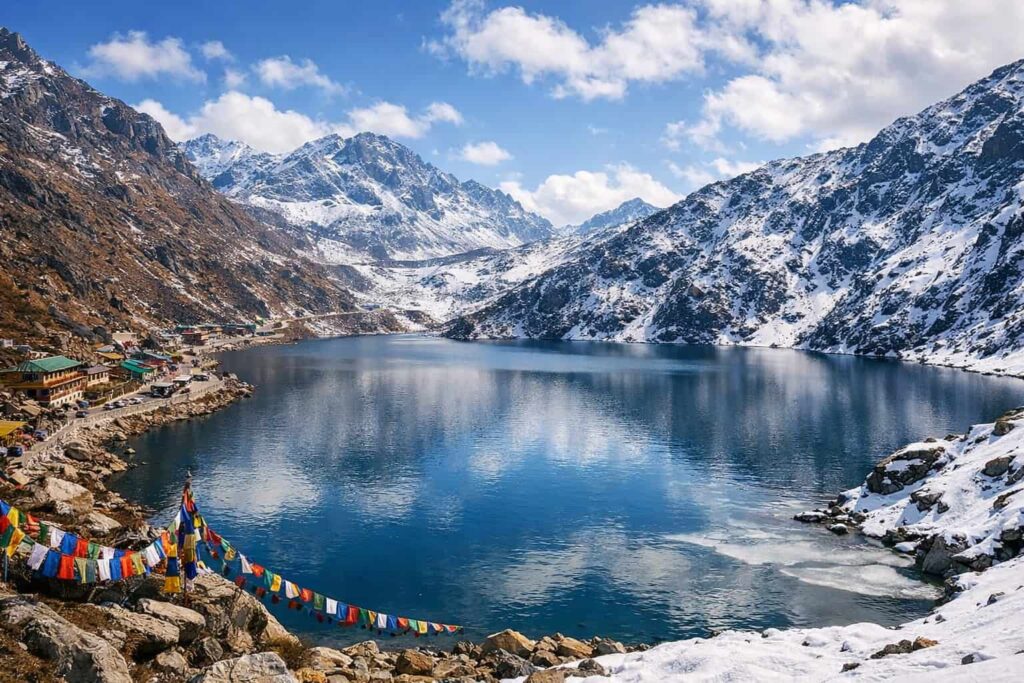
Tsomgo Lake is not just another mountain lake — it is a high-altitude glacial lake that completely changes personality with the seasons.
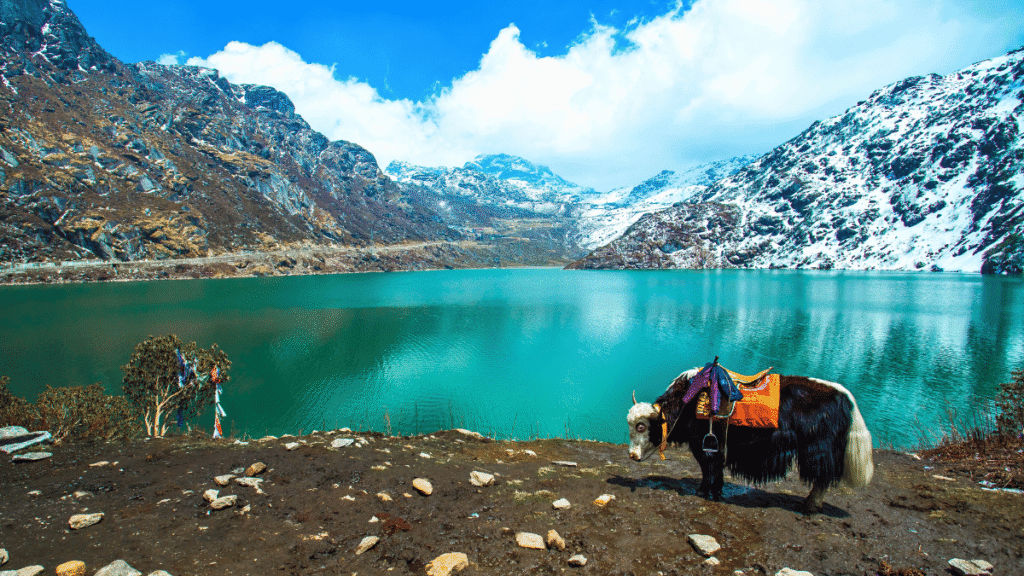
Located at 12,310 feet, the lake freezes in winter and turns deep blue in summer. The journey itself is an adventure.
The Drive Experience
The road to Tsomgo climbs steadily through winding mountain roads. As you ascend:
- The air becomes thinner
- Temperature drops
- Vegetation changes
- Snow patches appear in winter
During winter months (December–February) snow often covers the road edges, creating a dramatic landscape.
What Happens When You Reach
When you arrive, the first thing you notice is the silence. The lake is surrounded by mountains on all sides. If you visit early in the morning, the water reflects the peaks like a mirror.
In winter:
- The lake partially freezes
- Snow blankets the surroundings
- Yak rides become popular for photos
In summer:
- The water appears crystal blue
- Wildflowers bloom nearby
- Weather is less extreme
Important Things Most People Don’t Tell You
- Oxygen levels are lower — walk slowly.
- Avoid running or jumping for photos.
- Drink water regularly.
- Carry sunglasses (snow glare is strong).
Best Time to Leave Gangtok
7 AM is ideal. After 11 AM, clouds often roll in.
Who Should Avoid It?
- People with severe breathing issues
- Elderly with mobility problems
3. Nathula Pass – Where Geography Meets History
📍 Distance: 54 km
⏳ 6–7 hours round trip
📄 Special Permit Required
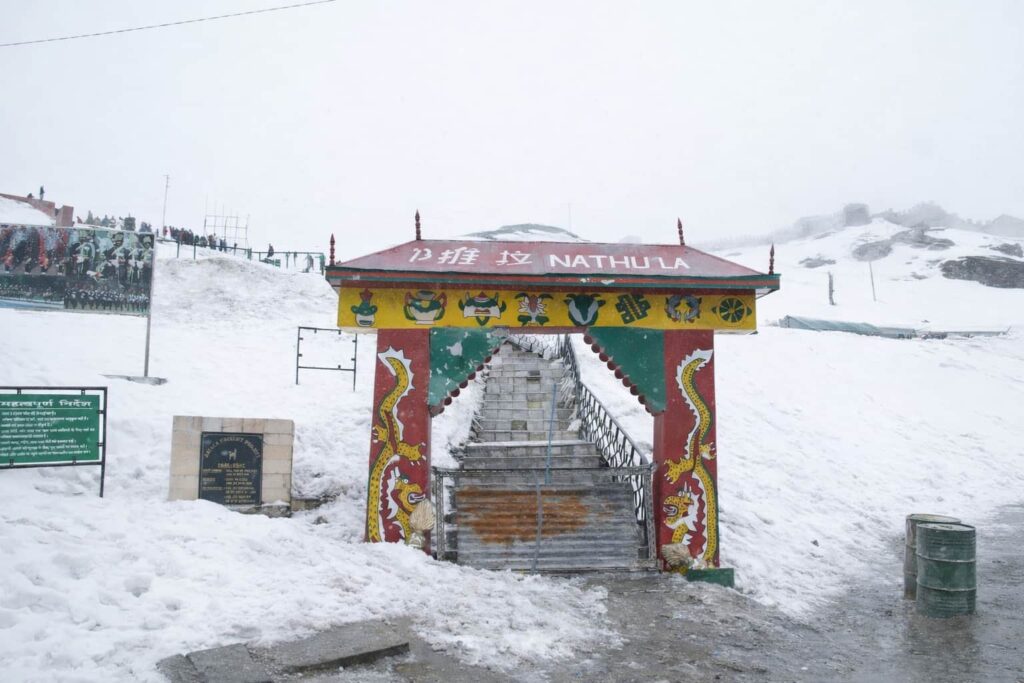
Nathula Pass stands at over 14,000 feet and carries deep historical and geopolitical importance.
This was once part of the ancient Silk Route connecting India and Tibet.
The Road to Nathula
The drive is dramatic:
- Sharp hairpin bends
- Snow walls in winter
- Army trucks on the route
- Stunning valley views
The higher you go, the colder it gets — even in summer.
What You Experience at the Border
At the top:
- Indian Army personnel guard the gate
- The Chinese side is visible across the fence
- Snow often covers the ground in winter
Standing there gives you a rare feeling — you are literally at the edge of the country.
Important Rules
- Closed Monday & Tuesday
- Indians only (foreign nationals not allowed)
- Carry valid government ID
- Avoid long physical activity due to altitude
Winter Experience
During peak winter:
- Thick snowfall
- Frozen landscapes
- Visibility sometimes low
4. Rumtek Monastery – Spiritual Power Center
📍 Distance: 23 km
⏳ 2–3 hours
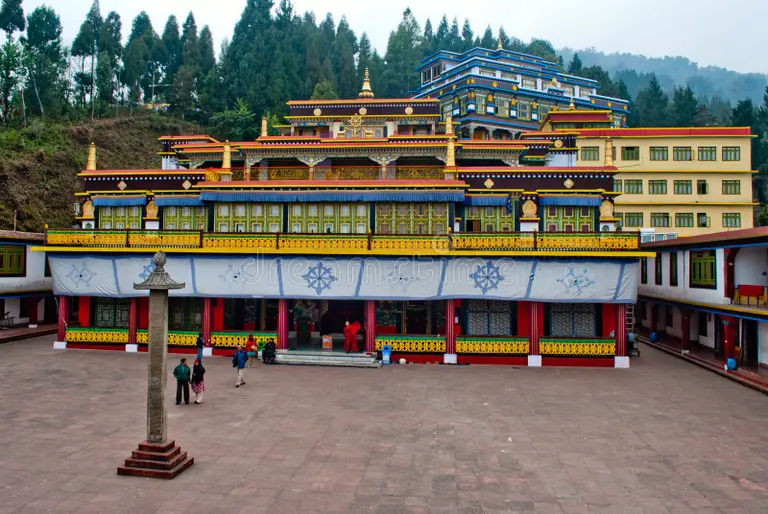
Rumtek Monastery is one of the most significant monasteries in Sikkim and the seat of the Karma Kagyu lineage of Tibetan Buddhism.
The monastery complex sits on a hill overlooking valleys and mountains.
The Experience
When you enter the main courtyard:
- You see monks in maroon robes
- Prayer flags flutter above
- Incense scent fills the air
If you visit around 7 AM, you can witness morning chants. The rhythmic sound of monks chanting together creates a peaceful atmosphere unlike anything else.
Architecture & Culture
- Golden Stupa Hall
- Tibetan murals
- Detailed wood carvings
- Prayer wheels lining the walls
Photography is not allowed inside the main prayer hall.
Best Time
Morning is peaceful.
Avoid weekends if you want quiet time.
5. Ban Jhakri Falls – Nature + Culture Combined
📍 Distance: 7 km
⏳ 2 hours
💰 Entry: ₹50
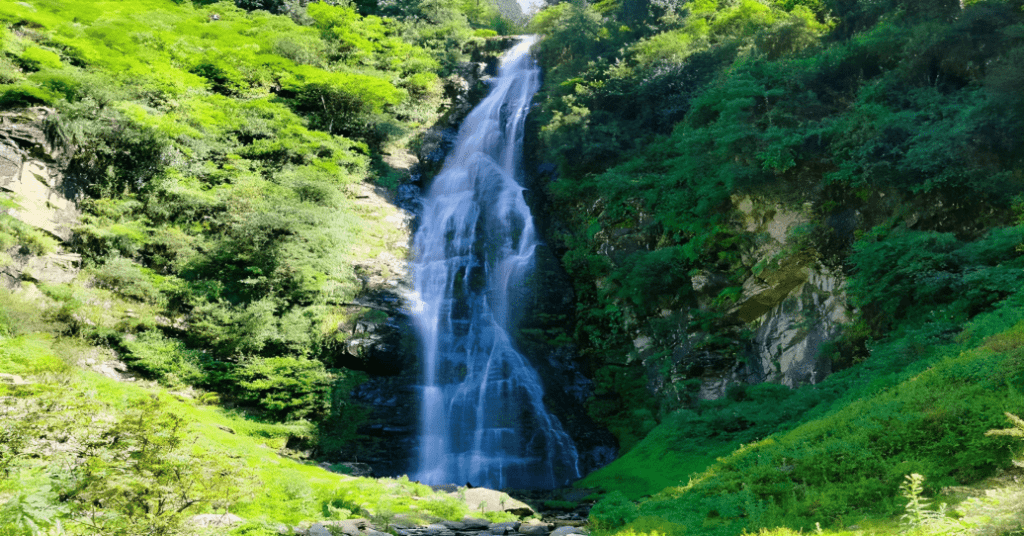
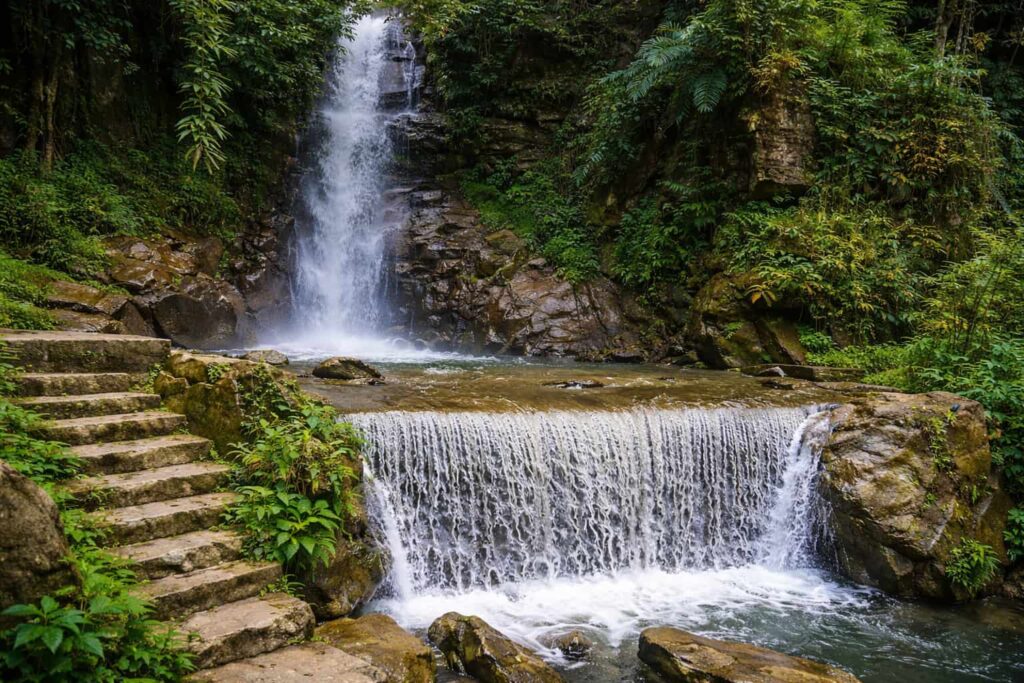
Ban Jhakri Falls is more than just a waterfall.
It is a landscaped cultural park built around a natural waterfall.
What Makes It Unique?
- 100-foot waterfall
- Sculptures of local folklore characters
- Small bridges and walking paths
- Garden seating areas
The statues represent Ban Jhakri, a mythical forest shaman believed in local folklore.
Ideal For
✔ Families
✔ Kids
✔ Relaxed half-day outing
✔ Casual photography
Best time: Morning or late afternoon.
6. Enchey Monastery – A Quiet Spiritual Escape Above the City
📍 Distance: 3 km from MG Marg
⏳ Ideal Time Needed: 1–2 hours
💰 Entry Fee: Free
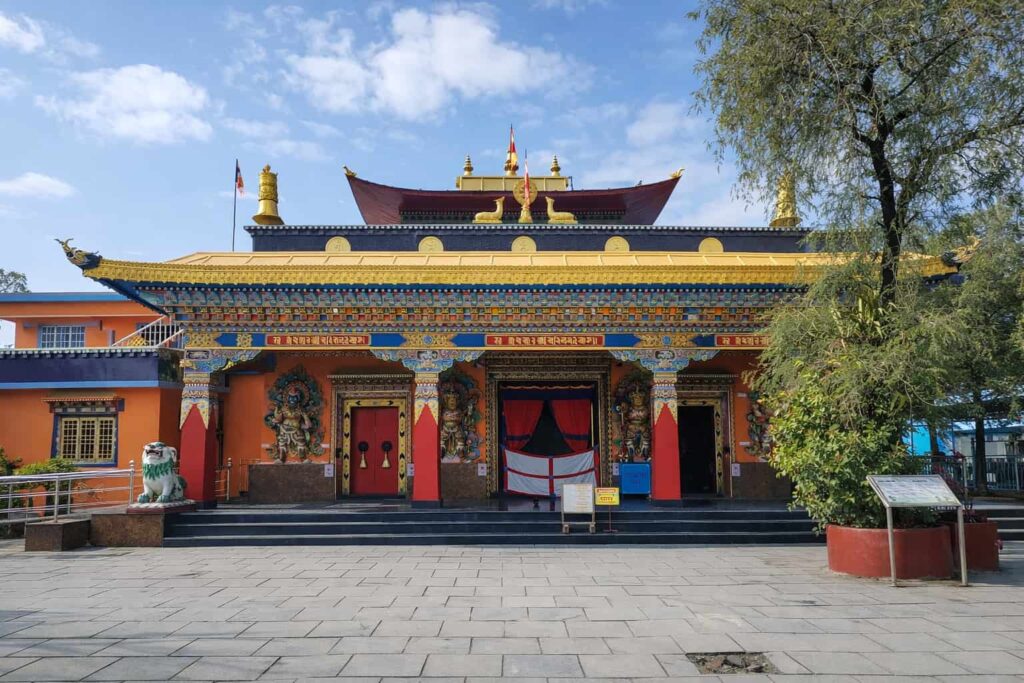
Enchey Monastery sits peacefully on a hilltop overlooking Gangtok town. Unlike Rumtek, which feels grand and historically significant, Enchey feels intimate and deeply calm.
The monastery is believed to be over 200 years old and is associated with Lama Druptob Karpo, a tantric master known for his flying powers (as per local legend). The building itself is traditional Tibetan in design, with bright red and gold colors, prayer flags surrounding the courtyard, and intricate murals inside the prayer hall.
What Makes Enchey Special?
It is less crowded.
That alone changes the experience.
You can:
- Sit quietly in the courtyard
- Watch monks performing rituals
- Enjoy uninterrupted mountain views
- Take peaceful photos without crowds
During winter mornings, fog slowly lifts from the hills, creating a mystical atmosphere. If you’re someone who enjoys silence and reflection, this monastery will feel more personal than the larger ones.
Best Time to Visit
- Early morning (8 AM)
- Late afternoon before sunset
Avoid peak afternoon tourist hours.
Combine With
- Ganesh Tok
- Hanuman Tok
- Tashi View Point
They are all in the same direction.
7. Do Drul Chorten – The Sacred Stupa of Gangtok
📍 Location: Near Institute of Tibetology
⏳ Time Needed: 45–60 minutes
💰 Entry: Free
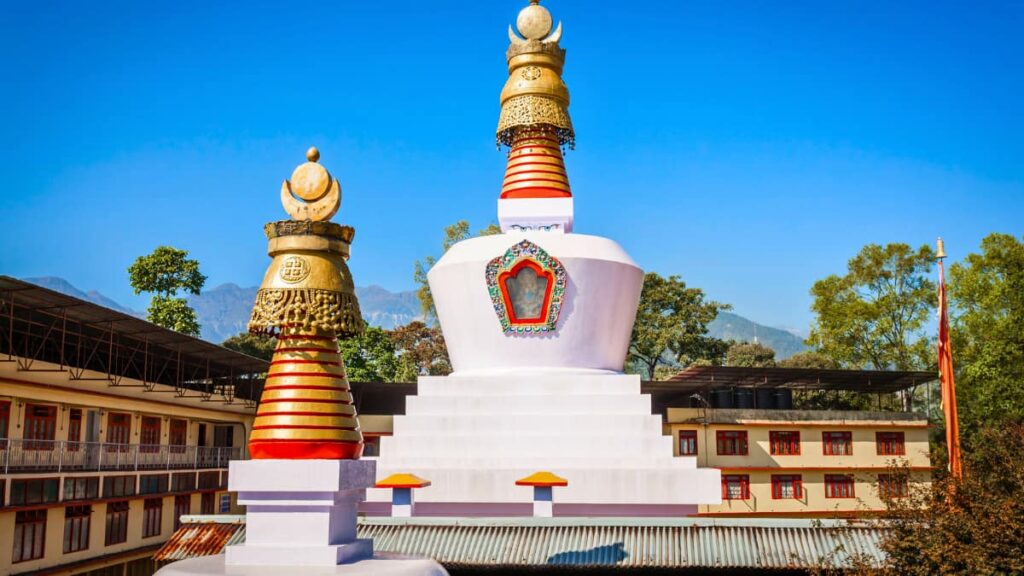
Do Drul Chorten is one of the most spiritually important structures in Gangtok. It was built in 1945 by Trulshik Rinpoche and stands as a symbol of peace and protection.
What immediately catches your attention are the 108 prayer wheels surrounding the stupa. Each wheel contains sacred mantras. As you walk clockwise and spin each one slowly, you begin to feel a rhythm — a meditative pace that slows your breathing and clears your thoughts.
The golden top of the stupa glows beautifully during sunset. Early evening is especially magical when the sky turns orange and the white structure contrasts against the mountains.
Cultural Significance
Locals believe walking around the stupa brings spiritual merit and positive energy. You will often see elderly residents quietly walking around with prayer beads in hand.
Travel Tip
Combine this visit with:
- Namgyal Institute of Tibetology
- Ropeway ride (nearby)
8. Gangtok Ropeway – A Short Ride with Big Views
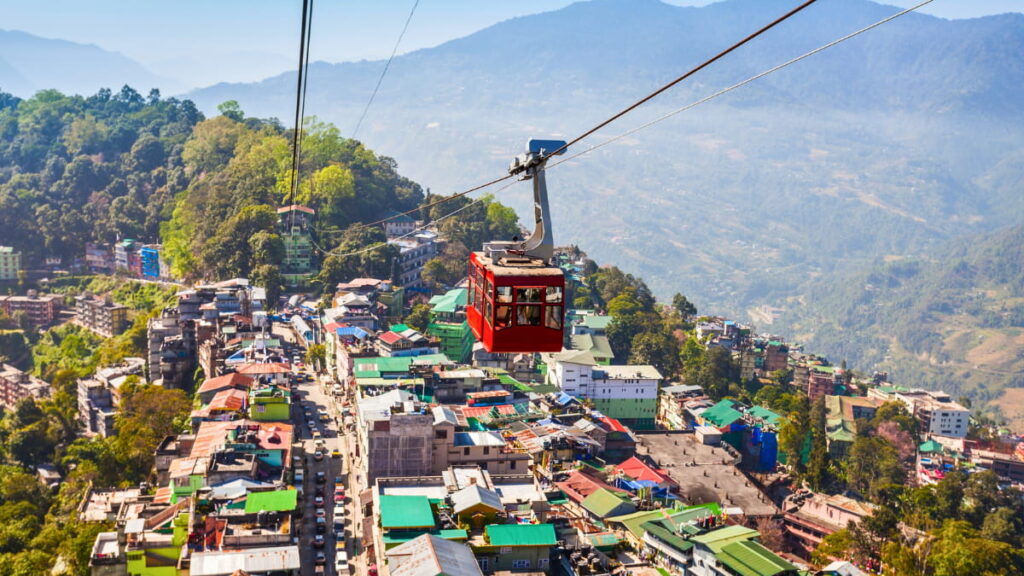
📍 Starting Point: Deorali
⏳ Ride Duration: 7–10 minutes one way
💰 Ticket: ₹150 approx (round trip)
The Gangtok Ropeway is often underestimated. It may not be very long, but the experience is worth it — especially on clear days.
As the cable car rises above the city:
- Colorful rooftops spread below
- Monasteries peek between buildings
- Kanchenjunga appears on the horizon (if weather permits)
Unlike many ropeways, this one requires standing. But that actually allows you to move around inside the cabin and take photos from different angles.
Best Time
- Morning (9–11 AM)
- Avoid foggy afternoons
Photography Tip
If you want clear mountain shots, check the weather forecast for visibility before going.
9. Tashi View Point – Where the Mountains Wake Up
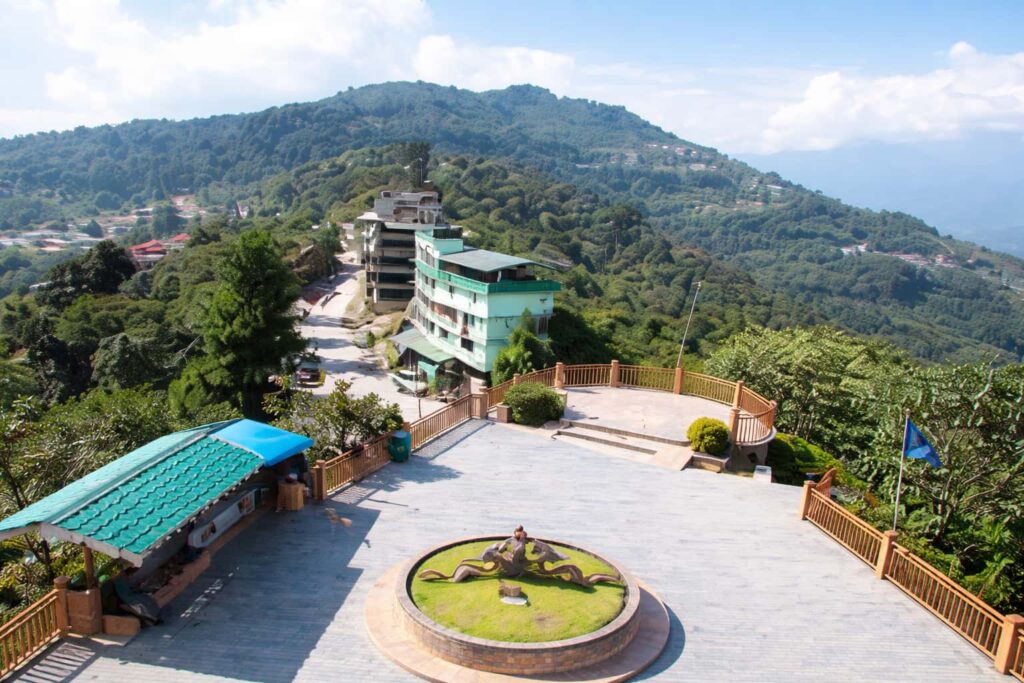
📍 Distance: 8 km from city center
⏳ Time Needed: 45 minutes–1 hour
Tashi View Point is famous for sunrise views of Mount Kanchenjunga. But timing is everything.
Arrive before 5 AM during spring or autumn. As the sun slowly rises, the snow peaks begin to glow golden — a phenomenon photographers call “alpenglow.”
During winter, the air is crisp but extremely cold. Carry gloves and a jacket.
What Most Tourists Do Wrong
They arrive too late.
By 7 AM, clouds often begin to build up. Early arrival is crucial.
There are small tea stalls near the viewpoint selling:
- Tea
- Maggi
- Snacks
Standing there in the cold with a hot cup of tea while watching the mountains slowly light up is one of the simplest but most unforgettable experiences in Gangtok.
10. Hanuman Tok – Clean, Peaceful, Panoramic
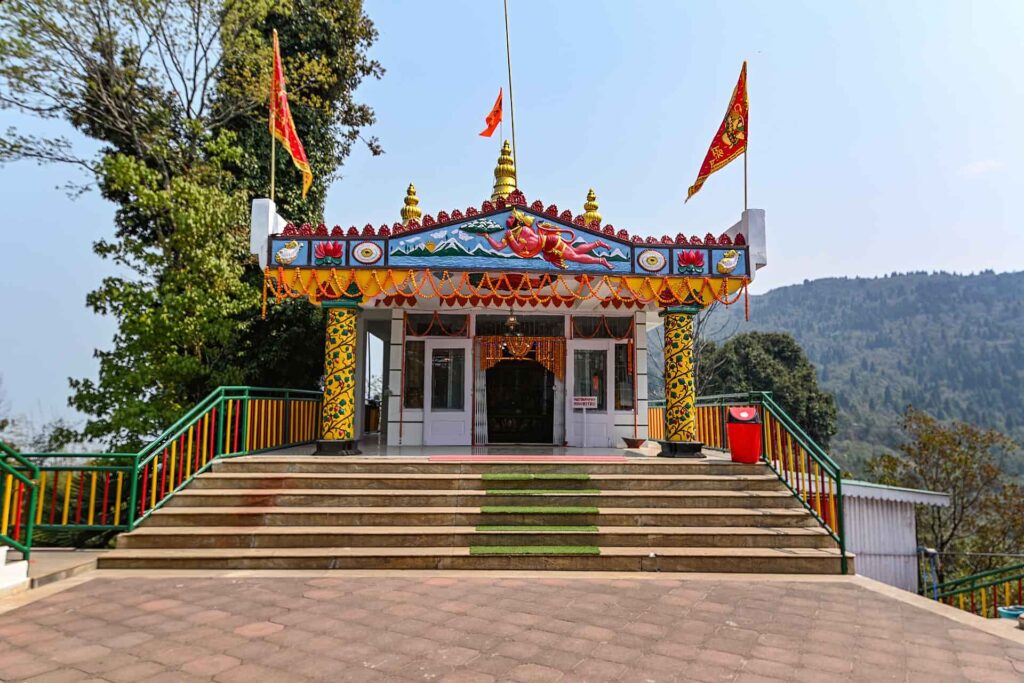
📍 Distance: 11 km
⏳ Time Needed: 1 hour
Hanuman Tok is maintained by the Indian Army, and it shows.
The premises are exceptionally clean, organized, and peaceful. Shoes must be removed before entering the temple area. The temple is dedicated to Lord Hanuman and is located at a high vantage point.
What makes it special is the 360-degree view of mountains and Gangtok town.
On clear days, Kanchenjunga is clearly visible.
Ideal Time
Late afternoon or early morning.
Combine it with:
- Ganesh Tok
- Enchey Monastery
- Tashi View Point
All are nearby.
11. Ganesh Tok – Small Temple, Big Views
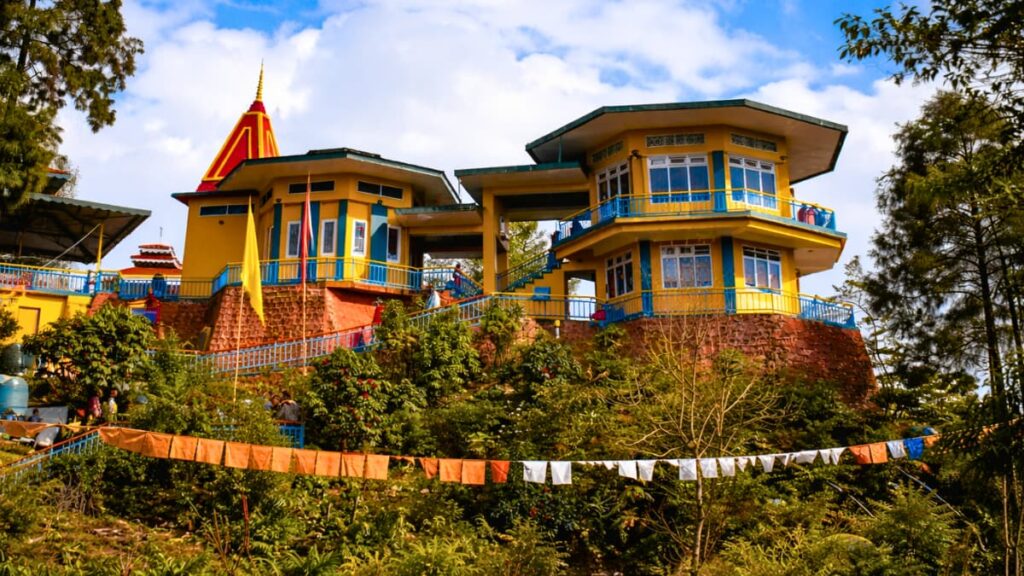
📍 Distance: 7 km
⏳ Time Needed: 30–45 minutes
Ganesh Tok is a very small temple dedicated to Lord Ganesha. In fact, it is so small that only one person can enter the inner shrine at a time.
But the real attraction is the observation deck.
From here:
- You get panoramic views of Gangtok
- Mountains stretch across the horizon
- Cloud patterns move dramatically in monsoon
It’s an excellent photography spot, especially during golden hour.
12. Ban Jhakri Falls – A Cultural Forest Park
📍 Distance: 7 km
⏳ Time Needed: 2 hours
💰 Entry: ₹50
Ban Jhakri Falls is ideal for relaxed exploration.
The park includes:
- A 100-foot waterfall
- Sculptures based on Sikkimese folklore
- Walking trails
- Small bridges
- Seating areas
The statues represent mythical forest shamans known as “Ban Jhakri.”
It’s a great location for:
- Family outings
- Light photography
- Picnics
Best visited during morning hours when the light hits the waterfall.
13. Namgyal Institute of Tibetology – Cultural Deep Dive
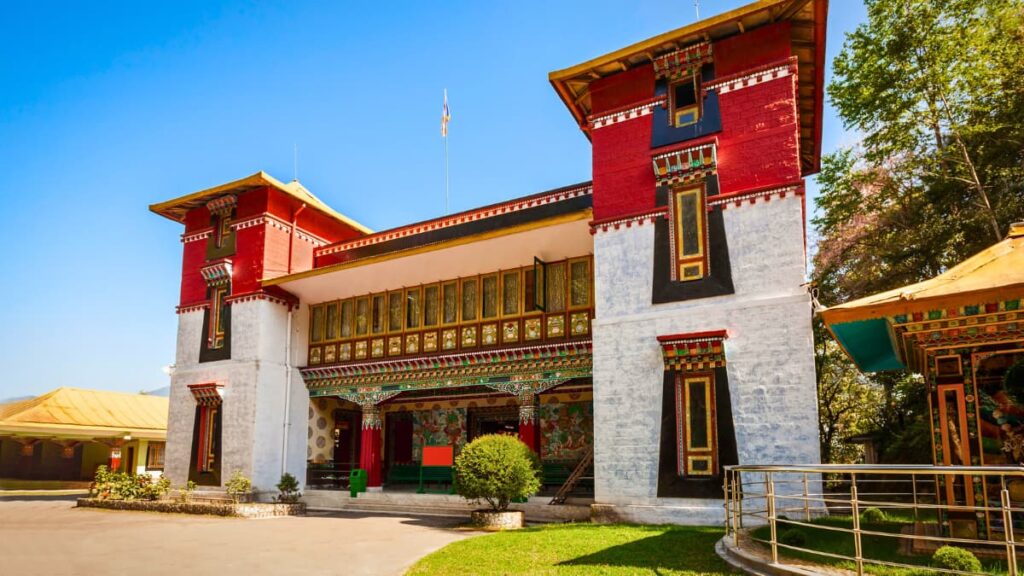
📍 Location: Deorali
⏳ Time Needed: 1–2 hours
💰 Entry: ₹20
Namgyal Institute of Tibetology is one of the most important centers for Tibetan studies in the world.
Inside you’ll find:
- Ancient manuscripts
- Rare Buddhist scriptures
- Thangka paintings
- Ritual objects
- Mask collections
Photography is not allowed inside.
If you want to truly understand Sikkim’s Buddhist culture, this place adds depth beyond sightseeing.
14. Himalayan Zoological Park – Wildlife in Natural Habitat
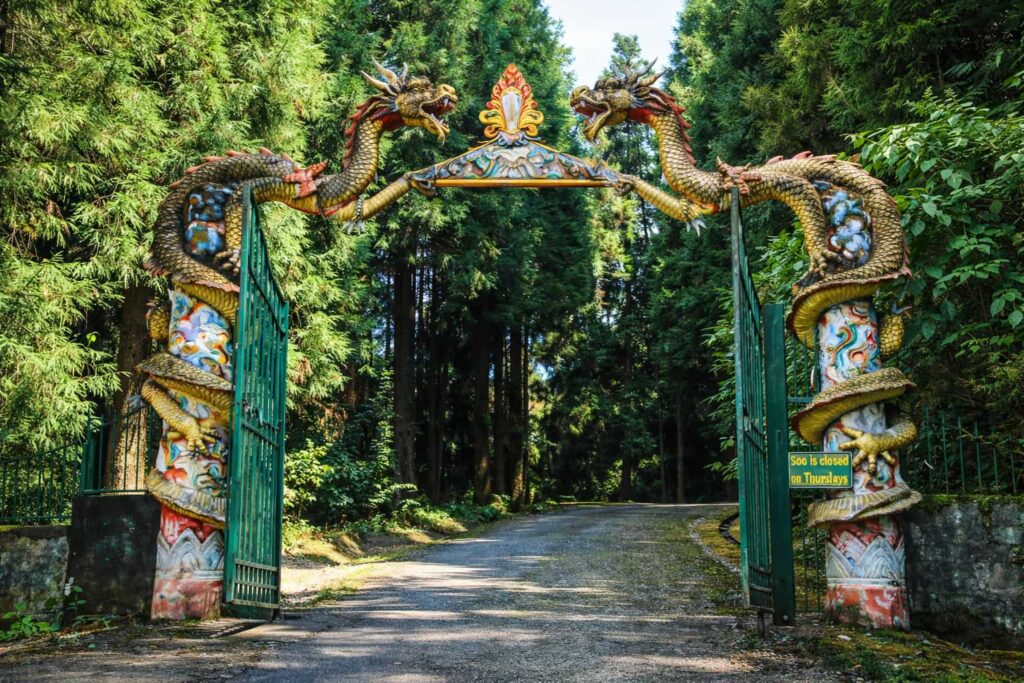
📍 Distance: 6 km
⏳ Time Needed: 2–3 hours
Unlike city zoos, this one is built within natural forest terrain.
Animals include:
- Red panda
- Snow leopard
- Himalayan black bear
- Barking deer
It requires walking on uphill paths, so wear comfortable shoes.
Best time: Morning.
15. Lal Bazaar – The Real Local Market
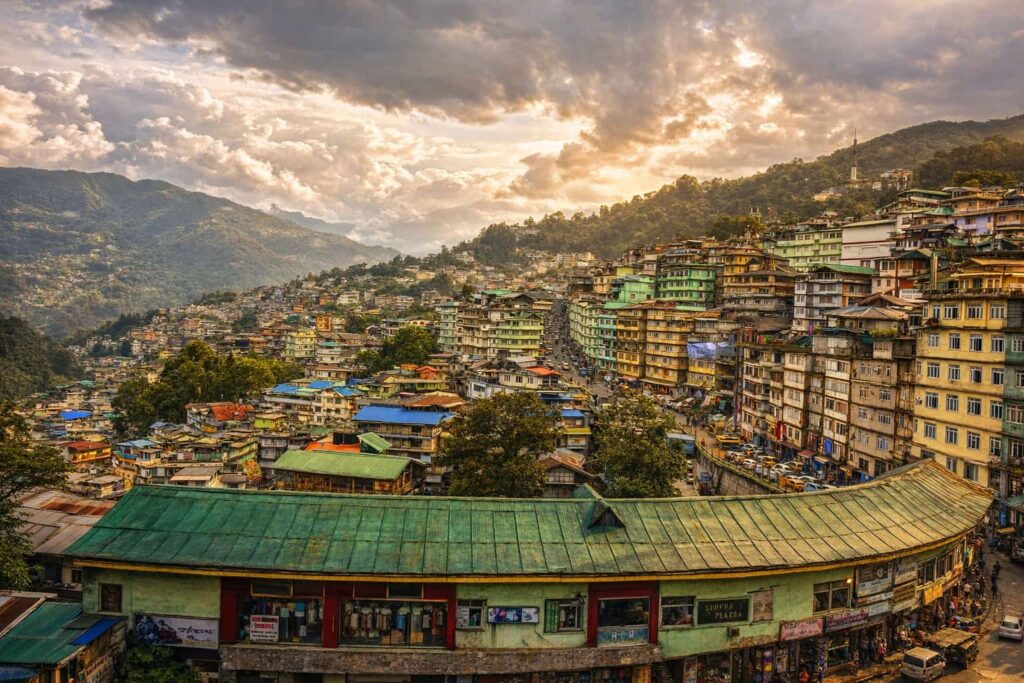
Located just below MG Marg, Lal Bazaar is where locals shop for vegetables, spices, and daily essentials.
Unlike tourist shops:
- Prices are cheaper
- More authentic vibe
- Less polished, more real
Buy:
- Organic cardamom
- Local cheese
- Fresh vegetables
- Handmade woolen items
This is where you see everyday Gangtok life.
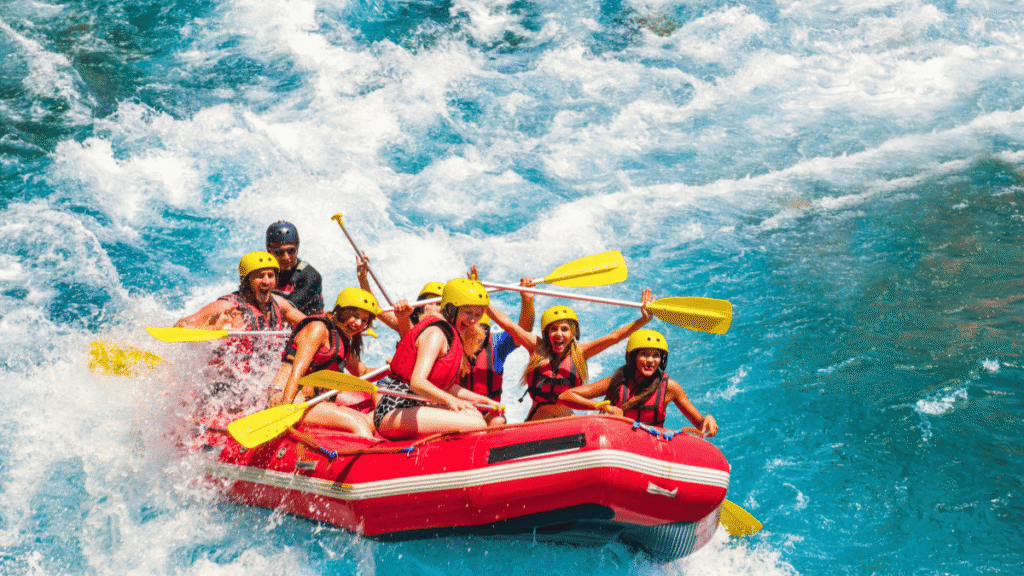
16. River Rafting in the Teesta River – Himalayan Adventure with Controlled Thrill
📍 Location: Near Rangpo (around 35–40 km from Gangtok)
⏳ Time Required: Half-day
💰 Cost: ₹800–₹1,500 depending on stretch
The Teesta River flows alongside the road connecting Siliguri to Gangtok, and if you’ve noticed its turquoise water during your drive, you’ve already seen where the adventure happens.
River rafting in the Teesta is one of the most exciting outdoor activities you can try while staying in Gangtok. The rapids range from Grade II to Grade IV, which means both beginners and experienced rafters can find suitable stretches.
What the Experience Feels Like
After a short safety briefing, you wear life jackets and helmets. The raft moves slowly at first, then suddenly hits rapid sections where the water splashes aggressively. The surrounding mountains create a dramatic backdrop, and between rapids, the river becomes calm again, allowing you to appreciate the scenery.
Best Time for Rafting
- October to April is ideal.
- Avoid peak monsoon due to high water levels.
Important Tips
- Always choose certified operators.
- Wear quick-dry clothes.
- Carry a change of clothes.
- Keep electronics in waterproof bags.
Rafting is especially great for young travelers and adventure seekers who want more than just sightseeing.
17. Paragliding in Gangtok – Fly Above the Hills
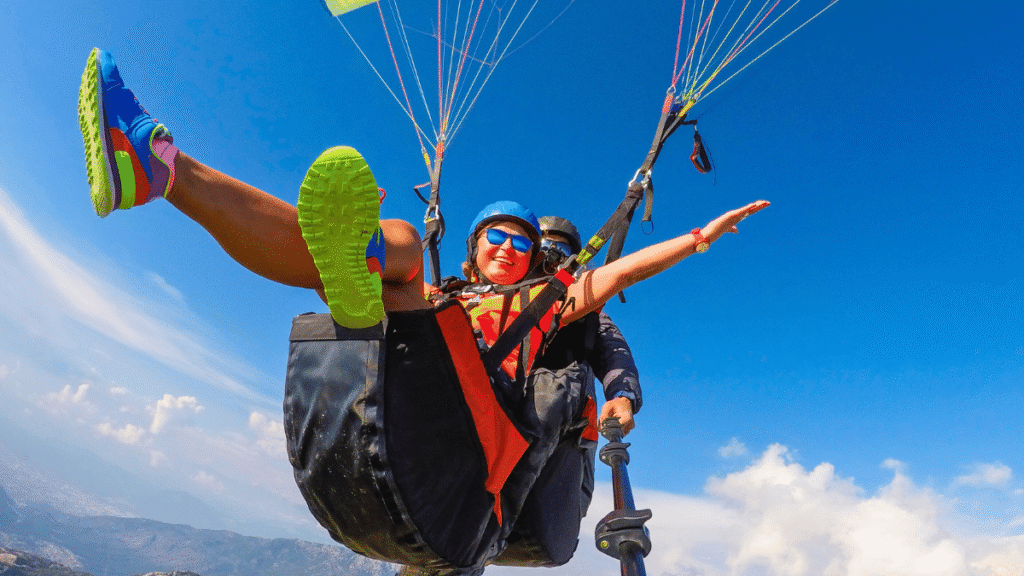
📍 Location: Baliman Dara (about 8 km from Gangtok)
⏳ Flight Duration: 5–15 minutes
💰 Cost: ₹2,500–₹3,500
Paragliding in Gangtok is seasonal but incredibly memorable.
From the launch point at Baliman Dara, you get panoramic views of rolling hills, scattered houses, and deep valleys. Once airborne, the sensation is surprisingly peaceful. Unlike rollercoaster thrills, paragliding feels like floating slowly over the mountains.
What You’ll See
- Patchwork of rooftops below
- Terraced hills
- Clear blue sky (on good weather days)
Best Season
- October to May
- Avoid heavy winds and monsoon season
Who Should Try It?
✔ Couples
✔ Solo travelers
✔ Adventure lovers
✔ Content creators
If you want a different perspective of Gangtok beyond roads and viewpoints, this is it.
18. Café Hopping – Experience Gangtok’s Slow Mountain Life
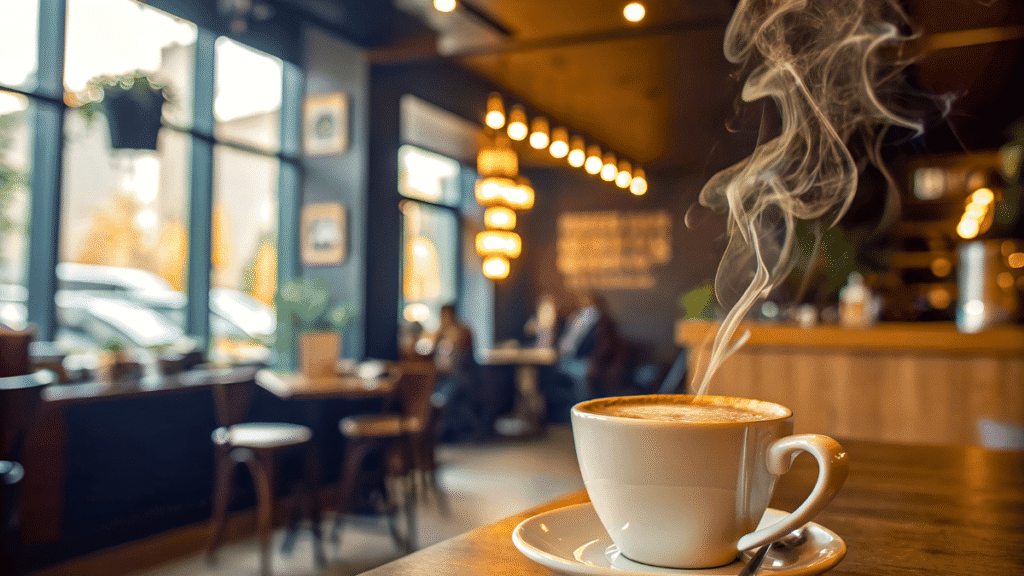
Gangtok’s café culture is underrated. Unlike commercial hill stations, many cafes here feel cozy, peaceful, and authentic.
Spend half a day hopping between:
- Baker’s Cafe (MG Marg)
- Small local tea shops
- Rooftop cafes with mountain views
- Quiet hidden bakeries away from the main street
What to Try
- Butter tea
- Thukpa
- Steamed momos
- Fresh pastries
- Organic Sikkim tea
What makes café hopping special here is not luxury — it’s atmosphere. You’ll see travelers journaling, locals chatting, and sometimes monks quietly sipping tea.
It’s one of the best ways to slow down and absorb the rhythm of the city.
19. Zuluk & The Old Silk Route – A Scenic Mountain Drive
📍 Distance: Around 90 km
📄 Permit Required
⏳ Full-day trip
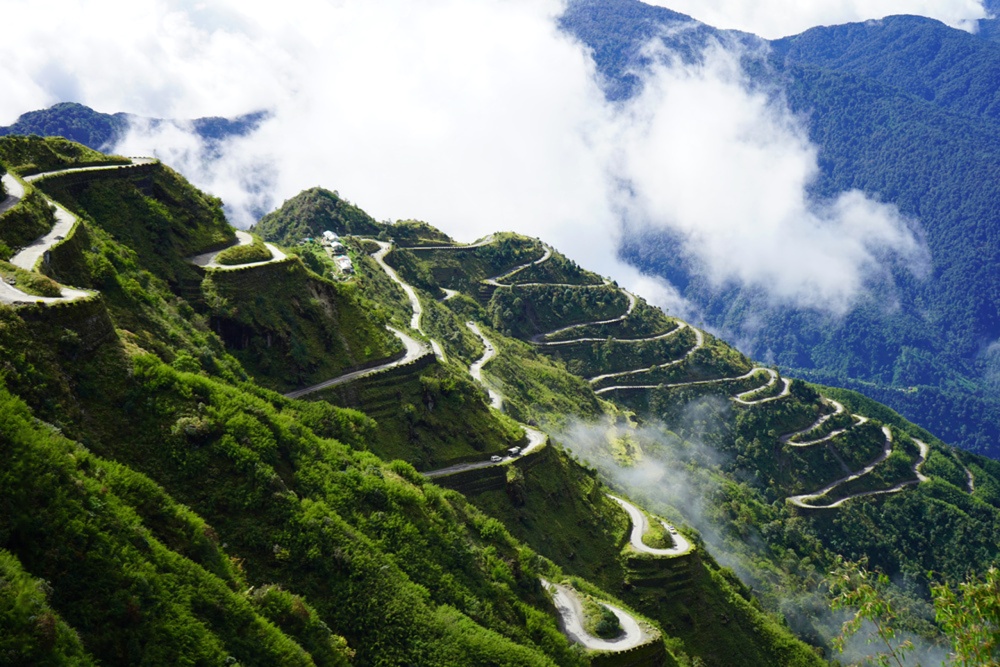
Zuluk is famous for its zigzag hairpin roads — one of the most photographed mountain routes in India.
The Old Silk Route was historically used for trade between India and Tibet. Today, it offers:
- Sharp winding roads
- High-altitude views
- Snow patches in winter
- Almost no crowds
Unlike Tsomgo, Zuluk feels raw and untouched.
The drive is long and can be tiring, but the views make it worth it.
Best visited in:
- Winter for snow
- Spring for clear skies
20. Namchi – The Giant Statue of Guru Padmasambhava
📍 Distance: 80 km
⏳ Full-day trip
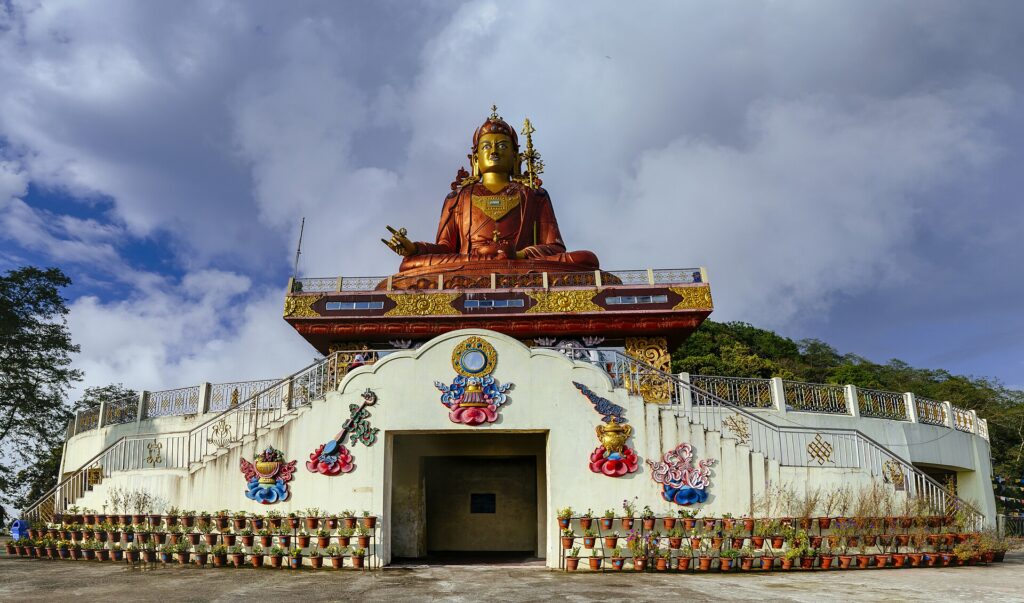
Namchi is home to the massive statue of Guru Padmasambhava at Samdruptse Hill.
The statue stands over 100 feet tall and overlooks the surrounding valleys. The site feels spiritual but also offers beautiful panoramic views.
The drive from Gangtok to Namchi is scenic and passes through quiet mountain villages.
Best combined with:
- Ravangla
- Buddha Park
21. Ravangla & Buddha Park – Peaceful Himalayan Retreat
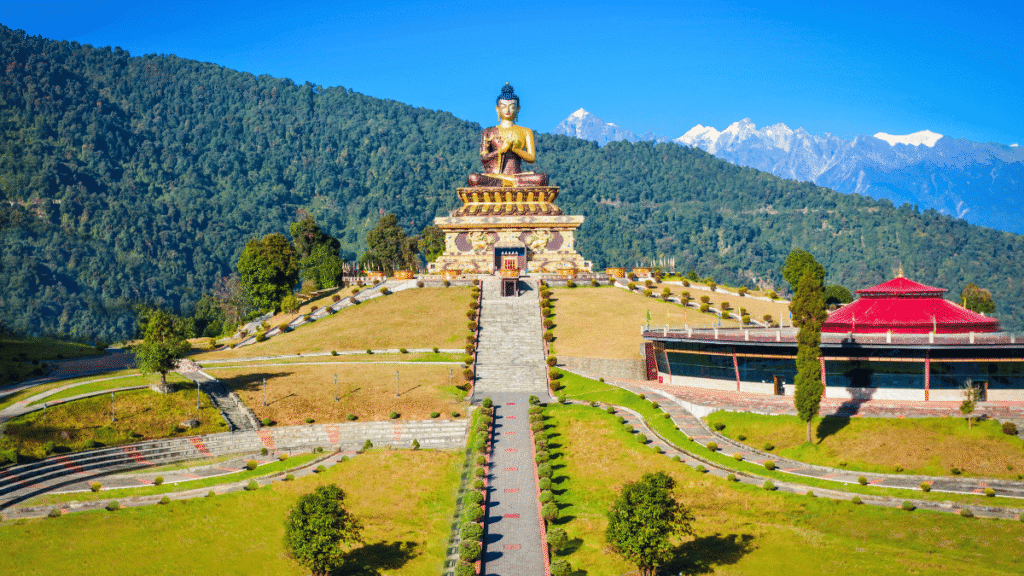
Ravangla is quieter than Gangtok and offers open mountain views.
The highlight is Buddha Park, where a massive Buddha statue sits peacefully against the backdrop of snow-capped peaks.
Unlike busy tourist spots, Ravangla feels calm and spacious. It’s ideal for:
✔ Couples
✔ Photography lovers
✔ Travelers seeking peace
22. Attend Local Festivals – Cultural Immersion Beyond Sightseeing
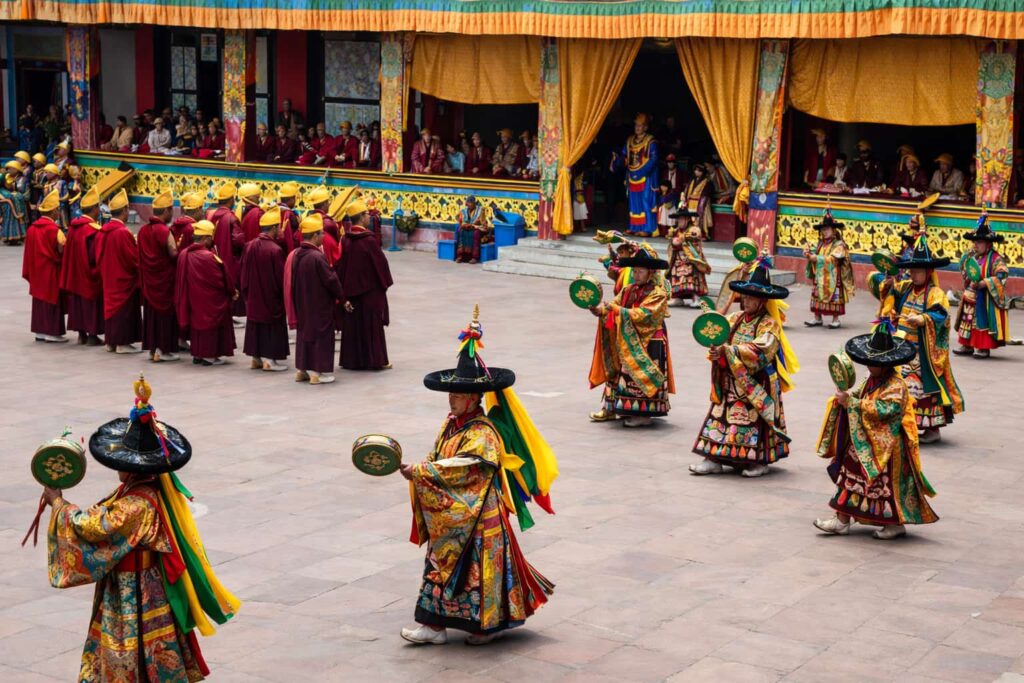
Gangtok is deeply rooted in Buddhist culture.
Major festivals include:
- Losar (Tibetan New Year)
- Saga Dawa
- Pang Lhabsol
During these festivals:
- Monks perform masked dances
- Ritual ceremonies take place
- The atmosphere becomes vibrant yet spiritual
If your travel dates align with a festival, it adds cultural depth to your trip.
23. Food Trail – Eat Like a Local

Instead of randomly eating, try a structured food walk:
Start at MG Marg:
- Steamed momos
Move to Lal Bazaar:
- Local snacks
Visit a traditional restaurant:
- Thakali thali
- Gundruk soup
- Phagshapa
End with:
- Sel roti and tea
Budget: ₹800–₹1,200 per day for comfortable food exploration.
Gangtok’s food is not overly spicy — it’s balanced, warm, and comforting.
24. Photography Route – Capture Gangtok’s Best Angles
If you are serious about photography:
Morning:
- Tashi View Point sunrise
- MG Marg empty streets
Midday:
- Rumtek Monastery architecture
- Tsomgo reflections
Evening:
- MG Marg lights
- Hanuman Tok sunset
Winter offers snow landscapes.
Spring offers colorful blooms.
25. Slow Travel – The Most Underrated Thing to Do

Sometimes the best thing to do in Gangtok is nothing.
Wake up early.
Open your hotel window.
Watch clouds move across the mountains.
Sip tea slowly.
Gangtok is not meant to be rushed.
If you treat it like a checklist destination, you’ll miss its real beauty.
The real magic lies in:
- Early morning silence
- Evening mountain winds
- Prayer flags fluttering
- Conversations with locals
Frequently Asked Questions About Things to Do in Gangtok (2026 Guide)
1. How many days are enough to explore Gangtok properly?
Ideally, 4 to 5 days are perfect to explore Gangtok without rushing. In 2 days, you can cover MG Marg, Tsomgo Lake, Nathula Pass, and a few monasteries. However, if you want a relaxed experience that includes cultural visits, viewpoints, food exploration, and nearby day trips like Zuluk or Namchi, then 4–5 days allow you to enjoy the destination properly. If you are combining Gangtok with North Sikkim, plan at least 7–8 days for the entire trip.
2. What are the top must-do things in Gangtok for first-time visitors?
For first-time visitors, the must-do experiences include:
- Walking on MG Marg in the evening
- Visiting Tsomgo Lake
- Exploring Nathula Pass (if eligible)
- Watching sunrise at Tashi View Point
- Visiting Rumtek Monastery
- Trying authentic Sikkimese food
These experiences give you a balanced mix of nature, spirituality, culture, and local lifestyle.
3. Is Gangtok safe for solo travelers and families?
Yes, Gangtok is considered one of the safest hill cities in India. The crime rate is low, locals are respectful, and the city is well-managed. MG Marg is well-lit and active even at night. Families with children and solo female travelers generally feel comfortable here. However, basic travel precautions should always be followed, especially in high-altitude areas.
4. Do I need a permit to visit Tsomgo Lake and Nathula Pass?
Yes, permits are mandatory for both Tsomgo Lake and Nathula Pass because they are located near the international border. Permits can be arranged through registered tour operators or your hotel in Gangtok. You will need valid government ID proof and passport-size photographs. Nathula Pass permits are only issued to Indian citizens and are subject to weather and security clearance.
5. What is the best time to see snowfall in Gangtok?
If you want to experience snowfall, the best time to visit is between late December and February. Snowfall is common in higher-altitude areas like Tsomgo Lake and Nathula Pass. However, snowfall inside Gangtok town itself is rare. Always check weather updates before planning a winter trip because heavy snow can lead to temporary road closures.
6. What is the average budget for a 4–5 day Gangtok trip?
A mid-range traveler can expect to spend approximately:
- ₹2,000–₹4,000 per night for hotels
- ₹800–₹1,200 per day on food
- ₹1,500–₹2,500 for Tsomgo & Nathula tour
- ₹500–₹1,000 per day for local taxis
Overall, a comfortable 5-day trip may cost around ₹20,000–₹30,000 per person (excluding flights or train tickets). Budget travelers can manage with less, while luxury travelers may spend significantly more.
7. Can I rent a bike or self-drive in Gangtok?
Yes, bike rentals are available in Gangtok, and many travelers prefer exploring nearby areas on two wheels. However, for protected routes like Tsomgo Lake and Nathula Pass, permits and registered vehicles are required. Always confirm rental rules before planning self-drive trips to restricted zones.
8. What are the best things to do in Gangtok for couples?
Gangtok is ideal for couples who enjoy mountain views and peaceful environments. Romantic experiences include:
- Sunrise at Tashi View Point
- Snow visit to Tsomgo Lake
- Evening walk on MG Marg
- Café hopping with mountain views
- Quiet monastery visits
The calm atmosphere and scenic landscapes make it a beautiful hill destination for couples.
9. What are the best family-friendly activities in Gangtok?
Families traveling with children can enjoy:
- Ban Jhakri Falls Park
- Himalayan Zoological Park
- Gangtok Ropeway
- MG Marg evening stroll
- Flower Exhibition Centre
These places are safe, accessible, and not physically demanding.
10. Is altitude sickness common in Gangtok?
Gangtok town itself (5,400 ft) does not usually cause altitude sickness. However, high-altitude destinations like Tsomgo Lake and Nathula Pass may cause mild symptoms such as headache or dizziness. It is recommended to move slowly, stay hydrated, and avoid overexertion at high elevations.
11. What local food should I try in Gangtok?
Must-try dishes include:
- Momos (steamed dumplings)
- Thukpa (noodle soup)
- Gundruk (fermented leafy greens)
- Phagshapa (traditional pork dish)
- Sel roti (local sweet bread)
Gangtok’s cuisine is a blend of Sikkimese, Tibetan, and Nepali flavors, offering hearty and comforting meals perfect for cold weather.
12. Can I see Mount Kanchenjunga from Gangtok?
Yes, Mount Kanchenjunga is visible from many viewpoints in Gangtok on clear days. The best places to see it are Tashi View Point, Hanuman Tok, and some hotels facing the mountain range. Early morning offers the clearest visibility before clouds form.
13. Is Gangtok better than Darjeeling?
Gangtok and Darjeeling offer different experiences. Gangtok is cleaner, more organized, and less chaotic, while Darjeeling has colonial charm and tea gardens. If you prefer peaceful mountain views and structured tourism, Gangtok may feel more comfortable.
14. What should I pack for a Gangtok trip?
Regardless of season, pack:
- Light jacket (even in summer evenings)
- Warm clothes in winter
- Comfortable walking shoes
- Sunscreen and sunglasses
- Basic medicines
Weather can change quickly in the mountains, so layering clothes is always recommended.
15. Are ATMs and digital payments available in Gangtok?
Yes, ATMs are available in the city center, and most hotels, cafes, and shops accept digital payments. However, when visiting remote areas or high-altitude places, it is advisable to carry some cash.